
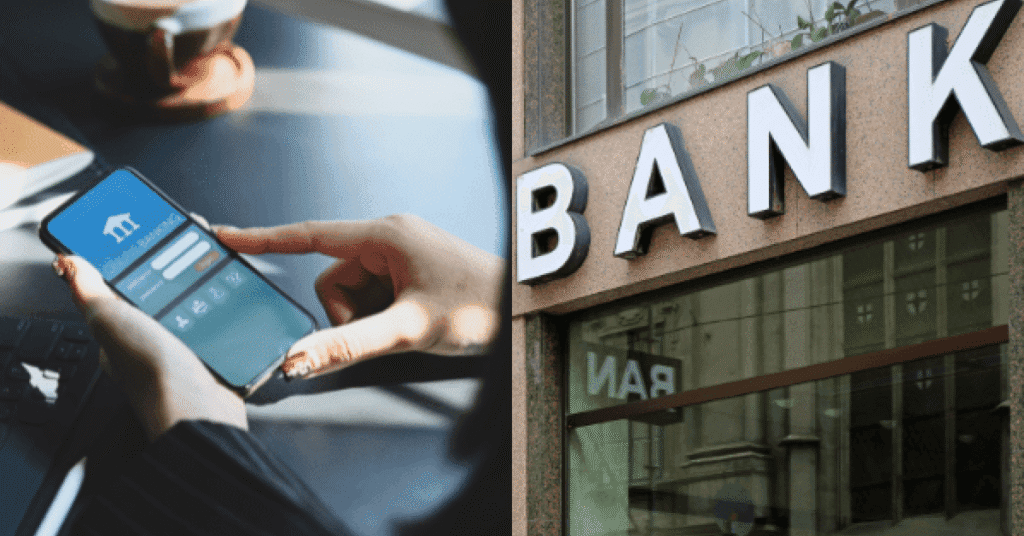
In the world of banking, there’s a new trend that’s been shaking things up: digital banks. These new-age financial institutions offer a streamlined, tech-savvy approach to managing money, while the old-school traditional banks are still holding strong, offering face-to-face service and a wide range of physical branches.
But in a world where convenience, speed, and flexibility are everything, the question remains:
Which is better?
Well, we’re about to dive deep into the Digital banks vs Traditional Banks Pros and Cons to help you figure out which one suits your financial needs.
Whether you’re a Gen Z who’s glued to your smartphone or a millennial who remembers going to the bank for a simple withdrawal, you’ll find all the answers you need right here.
So, buckle up, we’re about to break it down.
What Are Digital Banks?
A digital bank is essentially a bank without physical branches. They operate almost entirely online or through mobile apps, allowing you to do everything you’d normally do at a traditional bank, but from the comfort of your couch (or your bed, let’s be real). Some well-known digital banks include Chime, Revolut, N26, and Monzo.
These banks typically offer low-cost or free services like checking accounts, savings accounts, debit cards, and money transfers, all managed through an app. They rely on advanced technology and user-friendly interfaces to make banking easier, faster, and more transparent.
What Are Traditional Banks?
On the flip side, traditional banks (think: Bank of America, Wells Fargo, Citibank) are the legacy institutions that have been around for decades, sometimes centuries. They offer a full suite of services, including checking and savings accounts, loans, mortgages, and wealth management. Most traditional banks have physical branches, ATMs, and a strong presence in local communities.
These banks have a long history and a reputation for being reliable and secure, though they’ve been criticized for being slow to adapt to the digital age. Despite that, they still offer some perks that digital-only banks might not be able to match, such as in-person service and a wider variety of financial products.
Pros and Cons of Digital Banks
Let’s start by taking a look at the pros and cons of digital banks. If you’re someone who lives on your phone and values speed and simplicity, digital banks could be the way to go. But, of course, they come with their own set of trade-offs.
Pros of Digital Banks:
- Convenience and Accessibility
Digital banks are built for the modern world. Everything you need is on your phone, 24/7. Whether you’re transferring money, checking your balance, or making a payment, you can do it in a matter of seconds—no need to leave your couch. With no physical locations, digital banks eliminate the need to drive to the bank or wait in line. - Low Fees
Most digital banks have lower fees than traditional banks. No monthly maintenance fees, no ATM withdrawal fees (at least with certain networks), and minimal charges for international transfers. Digital banks are generally more cost-effective since they don’t have to maintain expensive physical branches. - Tech-Savvy Features
Digital banks are all about the tech. Most offer intuitive mobile apps that allow you to track your spending, set up savings goals, and even get instant notifications for every transaction. They also integrate easily with services like Venmo, PayPal, or Apple Pay, making your financial life smoother and more connected. - Faster Transactions
Need to send money across the globe? Digital banks often make international transfers faster and more cost-effectively, especially when compared to traditional banks that can take days to process transfers. Some digital banks also support instant payments or payments with near-instant transaction times.
Cons of Digital Banks:
- No Physical Branches
While you don’t have to leave your house to do most banking tasks, digital banks do come with one major drawback: the lack of face-to-face service. If you prefer to talk to a human banker about your needs or want to deposit cash in person, digital banks may not be the best fit for you. - Limited Services
Digital banks often don’t offer the same range of services as traditional banks. While they might offer basic checking and savings accounts, some digital-only banks may not provide mortgages, car loans, or complex wealth management services. You’ll need to find these services elsewhere. - Cash Deposits
Digital banks typically don’t handle cash deposits. While you can deposit checks using the app, physical cash might be a problem. If cash is important to you, you might have to look for a nearby ATM that accepts deposits or use a third-party service to deposit cash into your account. - Security Concerns
While digital banks are generally secure, there is always a risk when banking online. Cyberattacks, data breaches, and the vulnerability of digital platforms could be a concern, especially if you’re not diligent about two-factor authentication and other security measures.
Pros and Cons of Traditional Banks
Now that we’ve explored the shiny, convenient world of digital banks, let’s take a look at the traditional banking model. While it’s not as flashy as the digital-only world, traditional banks still have a lot to offer.
Pros of Traditional Banks:
- Face-to-Face Service
One of the biggest perks of traditional banks is the ability to meet with a real person when you need help. Whether it’s for advice on a mortgage, investment questions, or just having a face-to-face conversation about your finances, traditional banks offer that personal touch. - More Services
Traditional banks offer a wide range of financial products, including mortgages, auto loans, business banking, and wealth management. If you need a one-stop shop for your finances, traditional banks have you covered. - Cash Deposits and Withdrawals
If you frequently handle cash, traditional banks are far more convenient for making deposits and withdrawals. Most traditional banks have nationwide ATMs and local branches where you can handle cash transactions easily. - Reputation and Security
Traditional banks have been around for decades and have a long history of financial stability. You know the bank’s name, and that trust goes a long way. If you’re concerned about the security of your account, traditional banks have a track record of keeping your money safe and sound.
Cons of Traditional Banks:
- Higher Fees
Traditional banks can be expensive. Many charge monthly maintenance fees for your checking or savings account, ATM fees for using out-of-network machines, and fees for various other services. These fees can add up quickly and may feel like you’re paying for the privilege of banking. - Less Convenience
While traditional banks have physical branches, they aren’t necessarily known for being quick or convenient. You may have to take time out of your day to visit the branch for things like making deposits, transferring money, or speaking to a customer service rep. Plus, don’t even get us started on waiting in line. - Slow Transaction Times
For international transfers or large transactions, traditional banks are often slower than digital banks. Money may take several days to clear, and fees for these transactions can be higher. - Digital Services Are Not Always Up to Par
While traditional banks have stepped up their game in recent years by offering mobile apps, they still lag behind digital banks when it comes to tech innovation. Their apps may not be as sleek or user-friendly, and features like instant transaction notifications or real-time spending tracking might not be available.
Digital Banks vs. Traditional Banks: The Showdown
Now that we’ve broken down the pros and cons, let’s compare the two head-to-head based on some key factors that matter when choosing a bank.
1. Convenience
- Digital Banks: Instant access to your account, 24/7, from anywhere with an internet connection. No waiting in line, no need to visit a branch.
- Traditional Banks: Physical branches and ATMs are great if you prefer in-person service, but you might have to deal with long lines and limited hours.
Winner: Digital Banks (if you love tech and hate waiting).
2. Fees
- Digital Banks: Often have no monthly maintenance fees and charge lower fees overall, especially for international transfers.
- Traditional Banks: Can charge high fees, especially if you don’t meet certain account balance requirements or use out-of-network ATMs.
Winner: Digital Banks (unless you need more advanced services like loans or mortgages).
3. Services
- Digital Banks: Limited to basic services like checking and savings accounts, and may not offer loans or investment services.
- Traditional Banks: Provide a full range of services, including mortgages, investment advice, and business banking.
Winner: Traditional Banks (if you need a wide range of services).
4. Technology
- Digital Banks: Cutting-edge technology with sleek apps and features that help you manage your money easily.
- Traditional Banks: Have mobile apps, but they’re often not as user-friendly or feature-rich as digital banks.
Winner: Digital Banks (if you’re into seamless tech).
Which Is Better? Digital Banks or Traditional Banks?
The answer depends on your needs and lifestyle. If you’re someone who values convenience, low fees, and tech-forward features, a digital bank might be the best fit for you. It’s perfect for those who don’t need in-person service and are comfortable managing everything from their phone.
However, if you prefer face-to-face service, need advanced banking products like loans or mortgages, or handle a lot of cash transactions, then a traditional bank is probably the better option.
At the end of the day, you do you—the right choice depends on what makes your financial life easier. Some people even opt to use both: a digital bank for day-to-day transactions and a traditional bank for things like loans or in-person services. The future of banking is evolving, and it’s all about finding what works best for you.
Whichever route you go, remember this: Make your money work for you, not the other way around.