
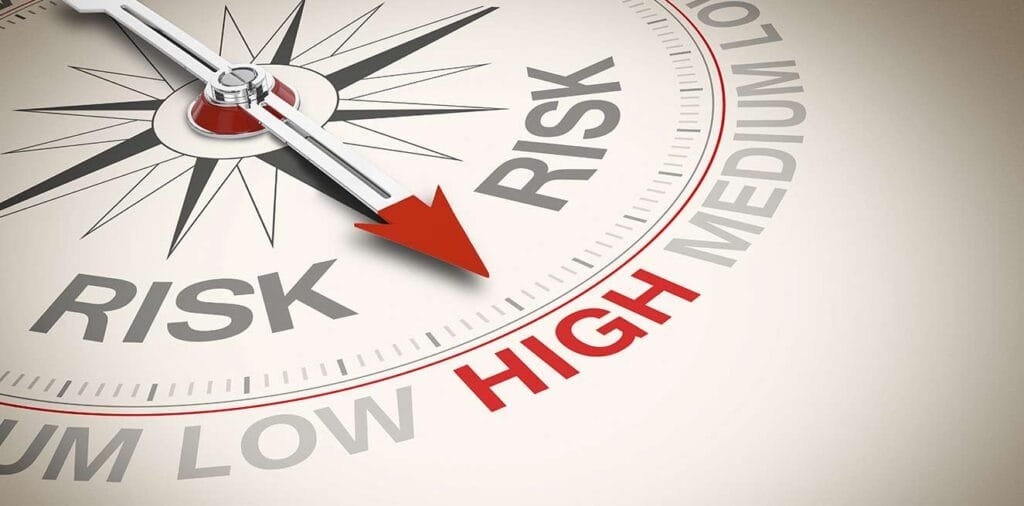
When you hear the word “risk,” what comes to mind?
Maybe it’s the adrenaline rush of skydiving or the sweat-inducing feeling of standing in front of a crowd during your first presentation.
Or, in the world of investing, risk might make you think about losing money in the stock market, which, let’s be honest, is pretty terrifying.
But here’s the thing: risk is a normal part of investing, and understanding your risk tolerance is the key to becoming a successful investor.
What Is Risk Tolerance in Investing?
Risk tolerance is the degree of risk you’re comfortable with in your investments. It reflects how much uncertainty or potential loss you’re willing to accept in pursuit of potential returns.
Your risk tolerance plays a major role in shaping your investment decisions, and it can vary from person to person depending on your financial goals, time horizon, and personality.
For example, if you have a high risk tolerance, you might be more willing to invest in volatile stocks or cryptocurrencies in the hopes of earning high returns.
On the other hand, if you have a low risk tolerance, you may prefer more stable investments, like bonds or real estate.
It’s important to note that risk tolerance isn’t a one-size-fits-all thing. It’s personal. Your tolerance for risk might be different from your friend’s, and that’s okay!
Understanding your own level of comfort with risk is crucial to making smart investment choices that align with your goals and values.
Why Is Risk Tolerance Important?
You might be thinking, “Okay, but why do I need to know my risk tolerance?”
Well, imagine this scenario: You put all your money into a high-risk investment like cryptocurrency.
You’re feeling pretty good when it’s up 50%—but then, it crashes, and you lose 30% of your initial investment in a single day.
If you have a high risk tolerance, you might shrug it off, wait for the market to recover, and feel comfortable holding onto your investment long-term. But if you have a low risk tolerance, this kind of volatility might make you panic and sell off your assets in a moment of stress, locking in your losses.
So, understanding your risk tolerance helps you:
- Stay calm during market volatility.
- Make informed decisions based on your comfort level.
- Build a portfolio that fits your goals and prevents you from making impulsive, emotionally-driven choices.
In short, understanding your risk tolerance helps you invest intelligently without losing sleep over market fluctuations.
Types of Risk Tolerance: High, Medium, Low
Risk tolerance isn’t just one thing—it comes in different levels. Some people are naturally inclined to take risks, while others prefer to play it safe. Let’s break down the three general types of risk tolerance:
1. High Risk Tolerance: The Daredevil Investor
If you’ve got a high risk tolerance, you’re more likely to invest in volatile markets like stocks, cryptocurrencies, and startups. You’re willing to face the ups and downs because you’re playing the long game, and you believe the potential rewards outweigh the risks.
- You’re okay with: Big market swings, rapid fluctuations, and the possibility of losing some (or all) of your investment.
- You like: Fast-paced, high-reward opportunities. You enjoy the excitement of the market and are confident in your ability to withstand losses.
- Example: You might invest in tech stocks, cryptocurrency, or venture capital, all of which can offer high returns but come with substantial risk.
How to manage: If you’re in this camp, it’s important to make sure your investments align with your long-term goals. High-risk investments can pay off, but you need to be prepared for volatility and potential losses along the way.
2. Medium Risk Tolerance: The Balanced Investor
A medium risk tolerance means you’re open to taking some risk, but you also like to keep things balanced. You’re okay with a little volatility as long as there’s potential for steady returns. Your investment portfolio might include a mix of stocks, bonds, and other asset classes that provide a good balance of growth and stability.
- You’re okay with: A moderate level of risk and the possibility of small fluctuations, but you don’t want to see your portfolio lose too much value too quickly.
- You like: A balanced approach—some growth potential with lower risk, but without the heart-stopping volatility of high-risk investments.
- Example: You might invest in a 50/50 mix of stocks and bonds, or choose a target-date fund that automatically adjusts the risk as you approach retirement.
How to manage: In this scenario, you might want to focus on diversification—mixing both high-growth and stable investments to spread out risk. Regularly reassessing your risk tolerance as your financial goals change is also a good idea.
3. Low Risk Tolerance: The Cautious Investor
If you have a low risk tolerance, you prefer stability and security over high rewards. You’d rather invest in things that are predictable and have lower volatility, even if that means lower returns. Your investments likely include bonds, real estate, and other stable, income-generating assets.
- You’re okay with: Low-risk investments and steady, predictable growth over time. You want to sleep at night without worrying about losing money.
- You like: Low volatility, guaranteed returns (like interest payments), and a more conservative approach to investing.
- Example: You might invest in government bonds, blue-chip stocks, or real estate investment trusts (REITs), which provide steady income but have lower potential for massive growth.
How to manage: If you’re a low-risk investor, make sure you’re investing in assets that align with your goals. Keep your portfolio diversified to avoid putting too many eggs in one basket. And remember, while the returns may be lower, the stability of your portfolio is more important to you.
How to Determine Your Risk Tolerance
Now that we’ve covered the different levels of risk tolerance, you might be wondering, “How to determine your risk tolerance?” Great question! There are a few ways to assess where you fall on the risk spectrum:
1. Self-Reflection: How Do You Feel About Losing Money?
A lot of it comes down to how you feel about risk. Ask yourself:
- How would I react if my investment dropped 10%, 20%, or even 30%?
- Would I panic and sell everything? Or would I stick with it, believing that the market will recover?
Your answers can help you gauge how much risk you’re willing to tolerate. If the thought of losing money stresses you out, you might be on the more cautious side. If you’re cool with fluctuations and view losses as opportunities to buy low, you might lean more aggressive.
2. Risk Tolerance Questionnaires
Many financial advisors, brokerage firms, and investment platforms offer risk tolerance questionnaires that help assess your comfort with risk. These questionnaires typically ask about:
- Your investment goals: Are you saving for retirement, a big purchase, or just building wealth?
- Your time horizon: How long are you planning to keep your money invested? Longer time horizons generally allow for more risk.
- Your financial situation: How much disposable income do you have? Are you able to withstand market downturns without financial strain?
By answering a series of questions, you’ll get a clearer picture of your risk tolerance and a more personalized investment strategy.
3. Professional Advice
If you’re still unsure about your risk tolerance, it may be helpful to speak with a financial advisor. They can assess your situation and give you guidance on how much risk is appropriate for your investment goals and time frame. Getting professional advice ensures that you’re making smart, well-informed decisions about your money.
How to Build Your Portfolio Based on Risk Tolerance
Once you’ve determined your risk tolerance, it’s time to build a portfolio that aligns with it. Here’s how to craft your investment strategy based on your risk profile:
For High Risk Tolerance:
- Focus on growth: Invest in stocks, particularly in sectors with higher growth potential like technology, biotech, or cryptocurrency.
- Consider ETFs and index funds that track high-growth markets or industries.
- Don’t be afraid of volatility: The more risk you take, the higher the potential for returns (and losses). Keep an eye on the long-term.
For Medium Risk Tolerance:
- Diversify your portfolio: Balance stocks with safer investments like bonds or real estate.
- Consider target-date funds: These are designed to adjust your portfolio’s risk as you approach retirement automatically.
- Mix individual stocks with index funds: This allows you to capture growth while reducing risk with stable investments.
For Low Risk Tolerance:
- Stick to stable assets: Focus on government bonds, blue-chip stocks, and real estate.
- Consider dividend stocks: These provide consistent income, which can help offset the lower returns of low-risk investments.
- Keep cash reserves: Having a portion of your portfolio in cash or money market funds can provide peace of mind.
Conclusion: Embrace Risk, But Know Your Limits
Understanding your risk tolerance is key to becoming a successful investor. Whether you’re a daredevil or a cautious investor, knowing where you fall on the risk spectrum will help you create an investment strategy that fits your comfort level and financial goals.
Just remember: Investing isn’t about avoiding risk—it’s about managing it. By assessing your risk tolerance, building a diversified portfolio, and sticking to your long-term goals, you can make smart investment decisions and avoid emotional reactions to market fluctuations.
So, don’t fear risk—embrace it (but know your limits, of course).